The World is a Bowl of Water

nutrition

The World is a Bowl of Water

Facts and myths

Introduction

We are flooded daily with ads claiming a product or a diet will bring us balance in life and long-term happiness! Some are true, some are partially correct, and some are blatantly false but all carry a great deal of persuasion. Many of these diet ads are hawking a product, but even those that are not selling anything, nevertheless require a great amount of investment in either time, attention, or other trade-offs. Let’s take a closer look, however, at one of these products that require no purchases and no substantial changes in your daily routine: drinking water.

Keep Reading

“Nothing is softer or more flexible than water, yet nothing can resist it” (Lao Tzu)

Did you know…

  1. That more than 60% of our body is made up of water. The percentage of water goes even higher if we’re talking about the Human Brain: 70%! In any case, we are nowhere close to the percentage of water the cucumber and the jellyfish boast: 95%!
  2. In average an American residence uses more than 100,000 gallons of water per year (inside and outside the house): it would take 7 years and six months to match the amount of water flowing over Niagara Falls in 1 second!
  3. If all the water in the world were fit into a one gallon jug, the fresh water would represent only a table spoon…
Keep Reading

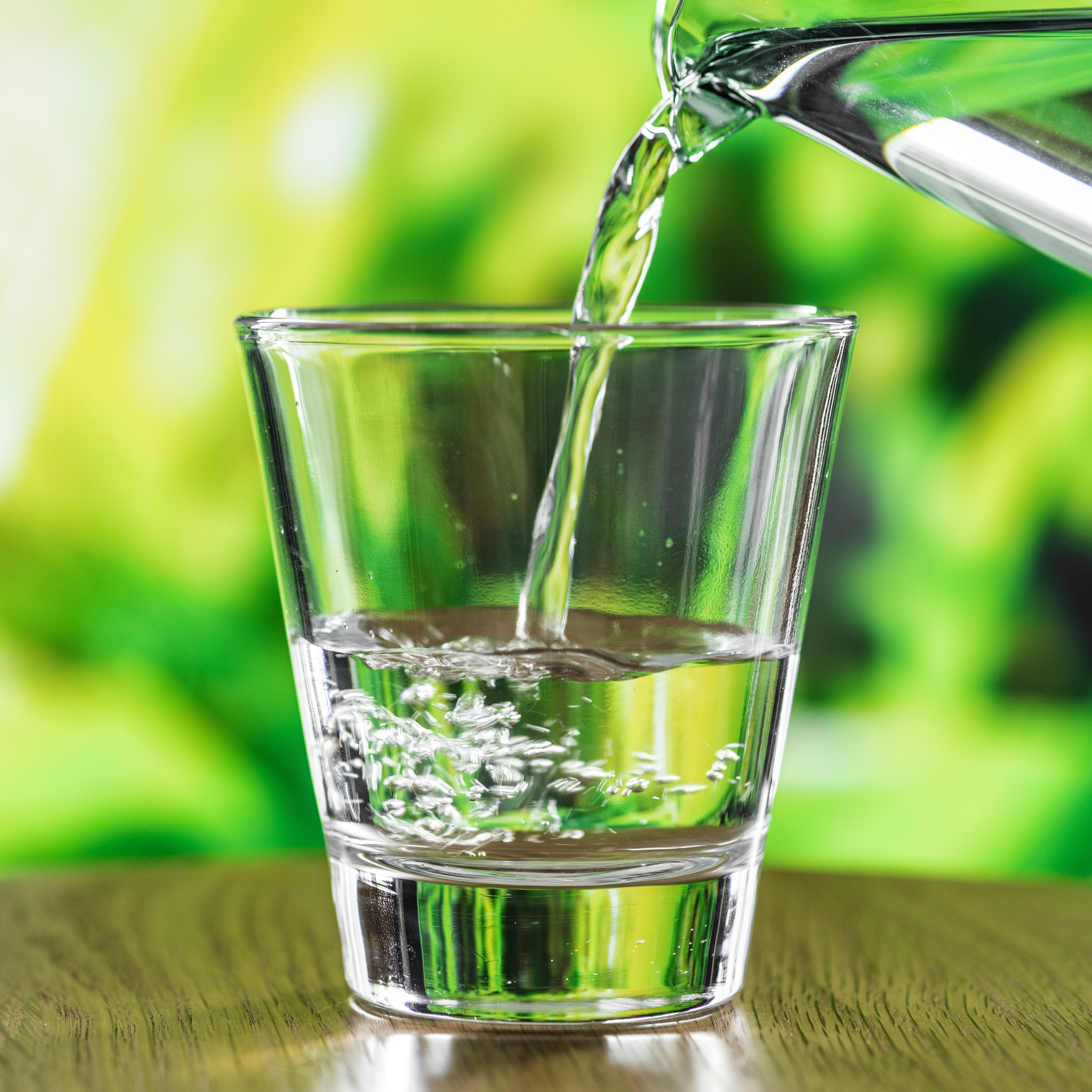
Of course, before we look at the benefits (and believe it or not drawbacks) of drinking water, let’s first decide just exactly we are talking about. Today the simple H2O compound has been elevated to a new variety of store shelves heights. There’s mineral water, spring water, alkaline water and distilled water – most of these can be found in plain and in various flavored varieties and either flat or sparkling.  Each of these varieties claim a different health benefit. The magnesium in mineral water is claimed to fight depression. The purity of distilled water supposedly detoxes the body. The fizziness of carbonated water aides with constipation. (We don’t want to know the details.) Finally, alkaline water is purported to speed antioxidants throughout the body, hence warding off the ravages of ageing. (If only Ponce DeLeon knew about this!)

No matter which water you choose to consume, most researchers agree that benefits are numerous. Regular water consumption (or liquids such as caffeine-free teas, coffee, etc.) can improve circulation, promote regularity, flush out toxins, help maintain a healthy weight and keep you privy to work gossip while standing by the office cooler. Less discussed are the negative effects of drinking too much water, such as frequent urination. (A rather obvious side-effect if you ask us.) Another possible effect of overhydration can be the debilitating headaches caused by water saturated brain cells swelling to the point where your now engorged brain is being crushed by the size constraints of your skull. (Eeew!)

When all is said and done, any kind of water, even lowly tap water (assuming you don’t live in Flint, Michigan) is healthy when consumed in normal amounts of between 6 to 8 glasses a day. So grab a salubrious glass of H2O and toast to your health. SALUD!

Until next time:

Be Happy and Make Someone Smile Today!

Caffeine and us

Caffeine
Coffee Cup


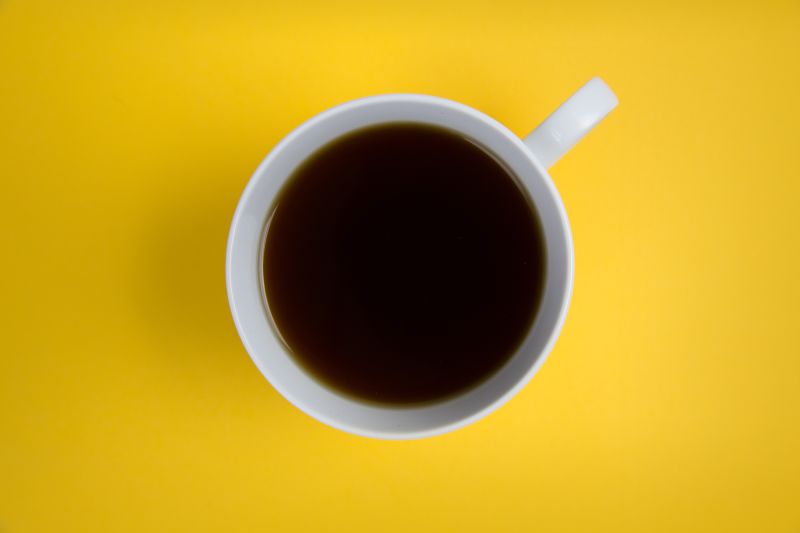
What else can we talk about today if not about our beloved everyday “cup o’ joe”! Today happens to be Friedlieb Ferdinand Runge’s birthday who was born on February 8th, 1794[1] (Yes, amaze your friends with your trivia knowledge!). He was a German analytical chemist, who among other accomplishments, identified a substance called caffeine that has become so famous and so omnipresent in our everyday lives!

Scientifically, caffeine is a central nervous system[2] stimulant of the methylxanthine class[3]. Unlike other stimulants it is largely unregulated around the world. In fact, it’s the world most used psychoactive drug[4].


Why do we like it so much?

It’s mostly because of its immediate effect. Although it might take 30 to 60 minutes to reach its full impact, for most of the people the effects are enjoyed in as little as 10 minutes. It’s also true that the effects can linger for up to 14 hours, even though they begin to wind down after 3-4 hours (Keep that in mind the next time you find yourself stumbling upon a late night coffee joint!).

What’s your experience and how do you cope with the need for a coffee or the effects of it?


Are we all created equal?

Yes, we are! Or, aren’t we? We’re not going to debate the human quest for deep understanding of meaning… but we’re going to try to outline some differences among various coffee beverages and other energy drinks!

Not everyone reacts the same: I had a friend of mine who used to have lunch with an espresso coffee and take nap before going back to her afternoon activities. Others instead, would not be able to sleep at  night if they had a coffee after 2pm. Various factors that influence coffee’s impact are smoking (apparently smokers metabolize the coffee twice as fast as non-smokers), sex (not how much you have but whether your biological makeup I predominantly male or female) and whether you drink your coffee along with alcoholic beverages (Kahlua anyone?)

How are you and your close to you react to coffee throughout the day?

 Coffee Cup

Where do we find it and how much we do we drink?

Eighty percent of the US adult population (according to an FDA study) consumes caffeine everyday with individual average of 200 mg. This consumption can be in the form of coffee, teas, or sodas: imagine two 5 oz cups of coffee or four sodas a day! Doses of more than 500/600 mg according to the Mayo Clinic could cause insomnia, irritability ad increased heartbeats!


But don’t worry, the US is not the No. 1 in coffee consumption. The crown goes to… Finland with an average caffeine intake of 400 mg a day!


Let us know what is your experience with coffee and what coffee beans of wisdom you have to offer regarding the caffeine a person should imbibe.


Until next time: Be Happy and Make Someone Smile Today!


[1] https://en.wikipedia.org/wiki/Friedlieb_Ferdinand_Runge

[2] https://en.wikipedia.org/wiki/Central_nervous_system

[3] https://en.wikipedia.org/wiki/Methylxanthine

[4] https://en.wikipedia.org/wiki/Psychoactive_drug